Blog ·
Choosing Durable Materials for Your Custom Kitchen
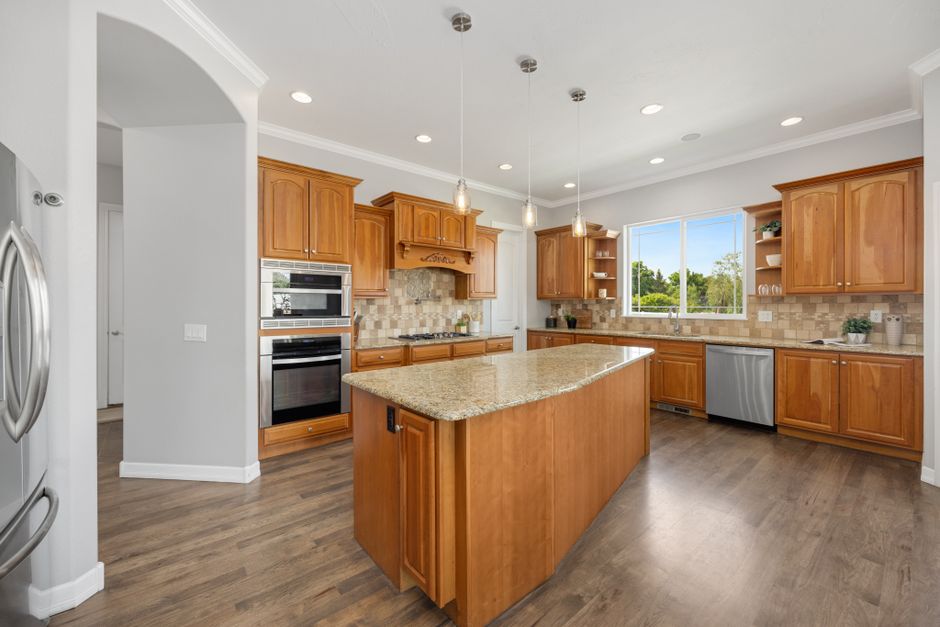
The materials you choose for your custom kitchen determine not just how it looks, but how it performs over years of daily use. Understanding the characteristics of different materials helps you make choices that align with both your lifestyle and your expectations.
Countertop materials each have distinct advantages depending on your needs. Natural stone like granite and marble offer timeless beauty and impressive durability, though they require periodic sealing and care. Engineered stone provides consistent appearance with lower maintenance requirements. Butcher block brings warmth and is genuinely workable for cutting, though it demands regular maintenance to prevent damage. Each material has a different feel underhand and different practical implications for your cooking style.
Cabinetry quality makes a real difference in how your kitchen functions over time. Solid wood construction typically outlasts veneer, and the type of wood affects both durability and appearance. Hardware quality matters enormously because cabinet doors open and close thousands of times. Poor quality hinges and drawer slides will fail before excellent cabinetry becomes obsolete.
Consider your backsplash not just as a decorative element. Tile is easy to clean and repair individual sections. Glass is contemporary and simple to wipe down. Stainless steel works well in busy kitchens. Think about which material actually fits your cleaning habits and tolerance for maintenance.
Flooring in a kitchen must handle:
- Moisture exposure from spills and cleaning
- Impact from dropped items and foot traffic
- Staining from spills that sit for minutes
- Grease that accumulates over time
Tile remains a practical choice because individual pieces can be replaced if damaged. Sealed concrete offers industrial appeal with durable performance. Luxury vinyl has improved significantly and resists moisture better than traditional wood.
Appliances represent a major material investment. Stainless steel looks modern and resists fingerprints less than you might think. Painted finishes hide wear better. Focus on the internal components and reliability rather than surface appearance, since kitchens see heavy use.
The quality of materials should match your actual usage. A kitchen used primarily for quick meals has different requirements than one where serious cooking happens daily. Consider which materials genuinely improve your experience, not which materials simply cost more. A well-chosen kitchen built from honest materials will serve you reliably and look beautiful for years.